
Building a Reliable Gundog: Steadiness, Whistle Commands and Retrieving Skills
Steadiness, whistle clarity and retrieving become reliable when the handler creates small, repeatable wins.
Read Article
Training insights & tips
Practical training notes, advice and observations for Kent handlers and online coaching clients.
Steadiness, whistle clarity and retrieving become reliable when the handler creates small, repeatable wins.
Read Article
A purposeful spaniel learns to hunt ground with rhythm, connection and clear turns rather than rushing out of contact.
Read article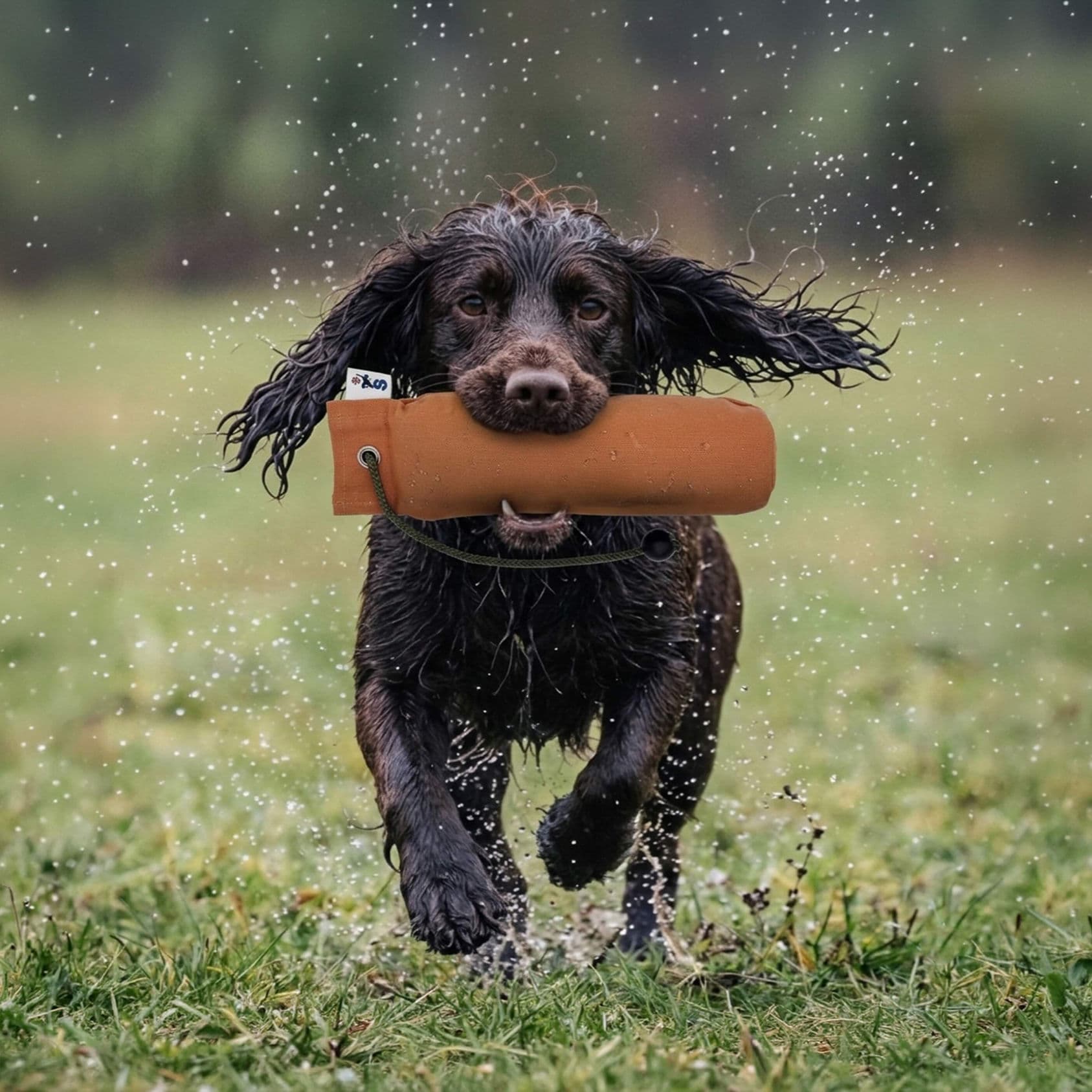
Moving from canvas dummies to game should be thoughtful, confidence-led and never treated as a sudden test.
Read article
A polished delivery starts long before the dog reaches your hand; it starts with confidence, possession and clarity.
Read articleWhistle work should feel simple to the dog because every cue has one meaning and one clear route to success.
Read article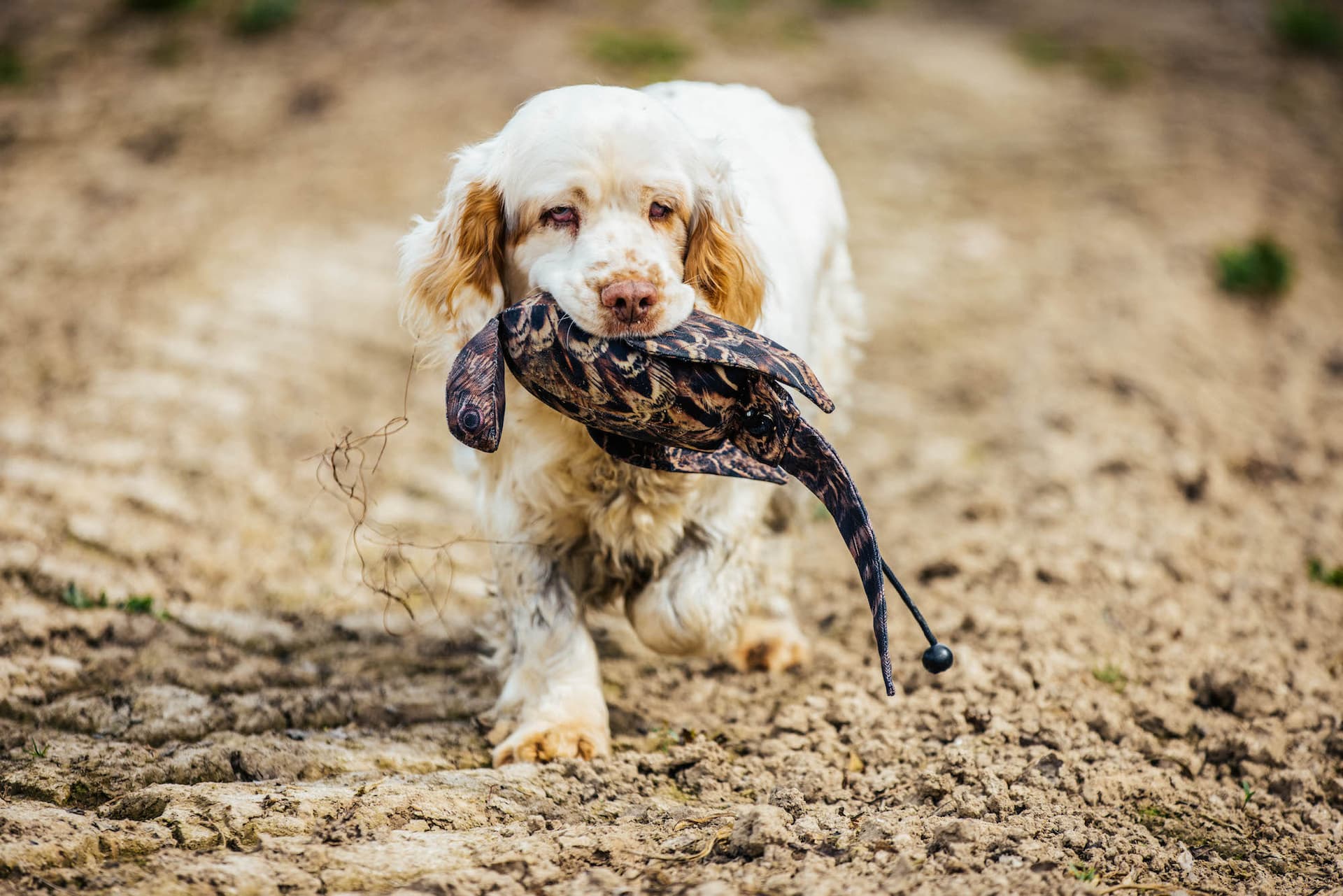
Good water work is built in layers: confidence first, then technique, then steadiness around excitement.
Read article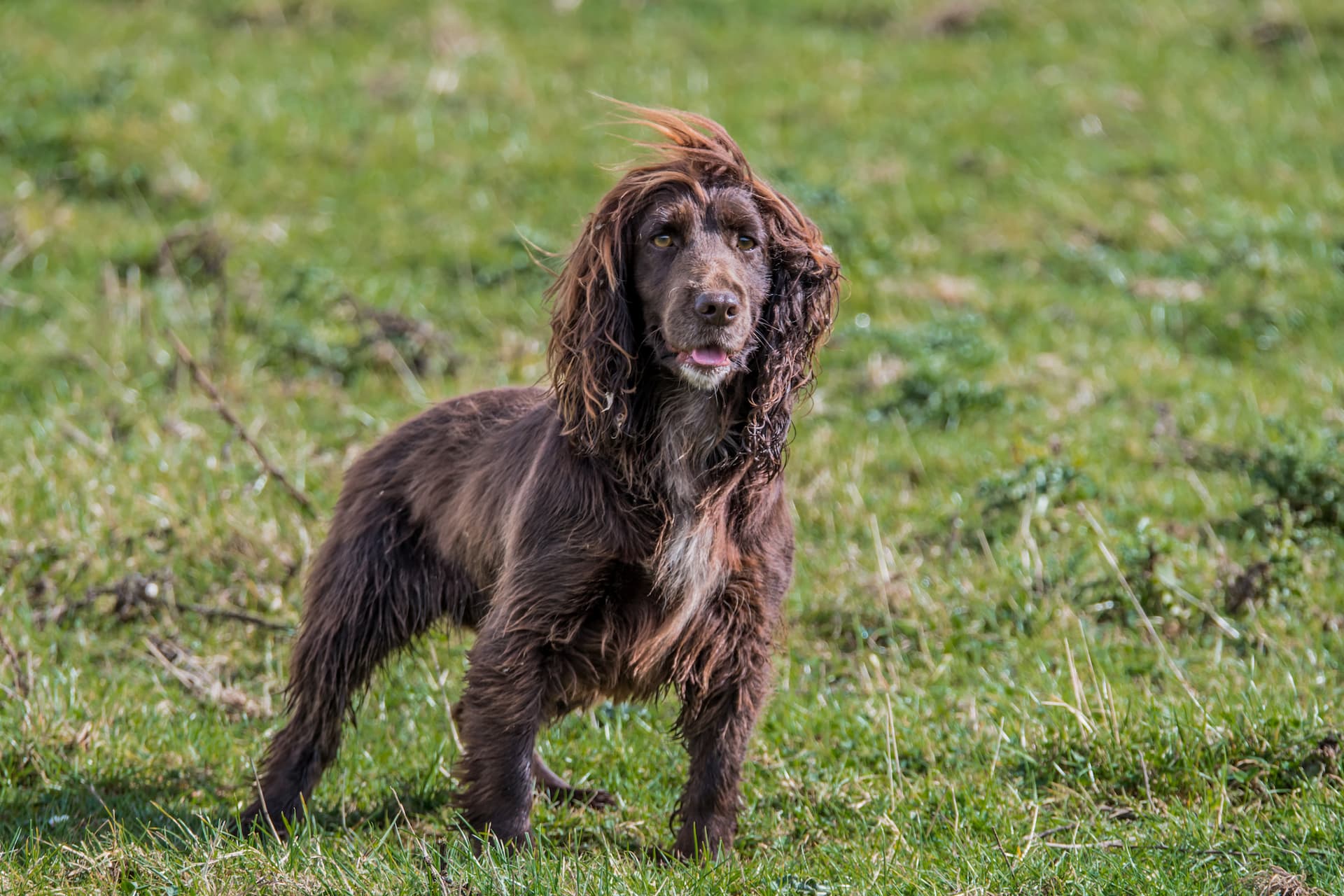
Where you train matters, but the relationship between handler and dog matters even more.
Read article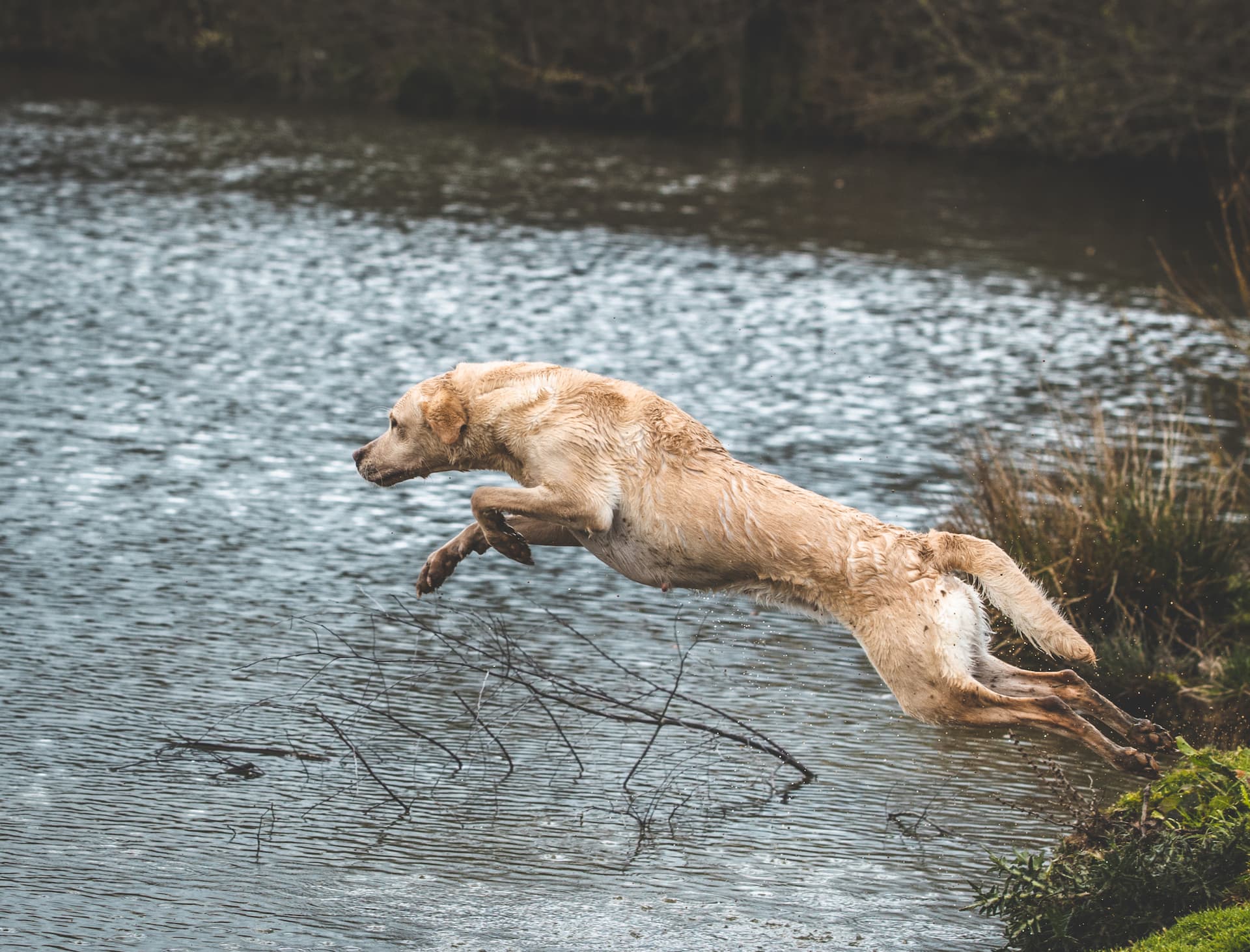
Steadiness is not suppression; it is the dog understanding that calm choices lead to the work they love.
Read article
Spitting out is usually a handling and confidence problem, not stubbornness.
Read article
The right Labrador foundations make later retrieving, steadiness and field work far easier.
Read article
Focus improves when the handler learns how to make attention rewarding, fair and achievable.
Read articleRecall reliability grows from consistency, timing and a dog that believes coming back is always worthwhile.
Read article
A practical guide to choosing training, setting goals and understanding what good progress looks like.
Read articleWhen progress stalls, one-to-one coaching can reveal tiny handling changes that unlock the next step.
Read article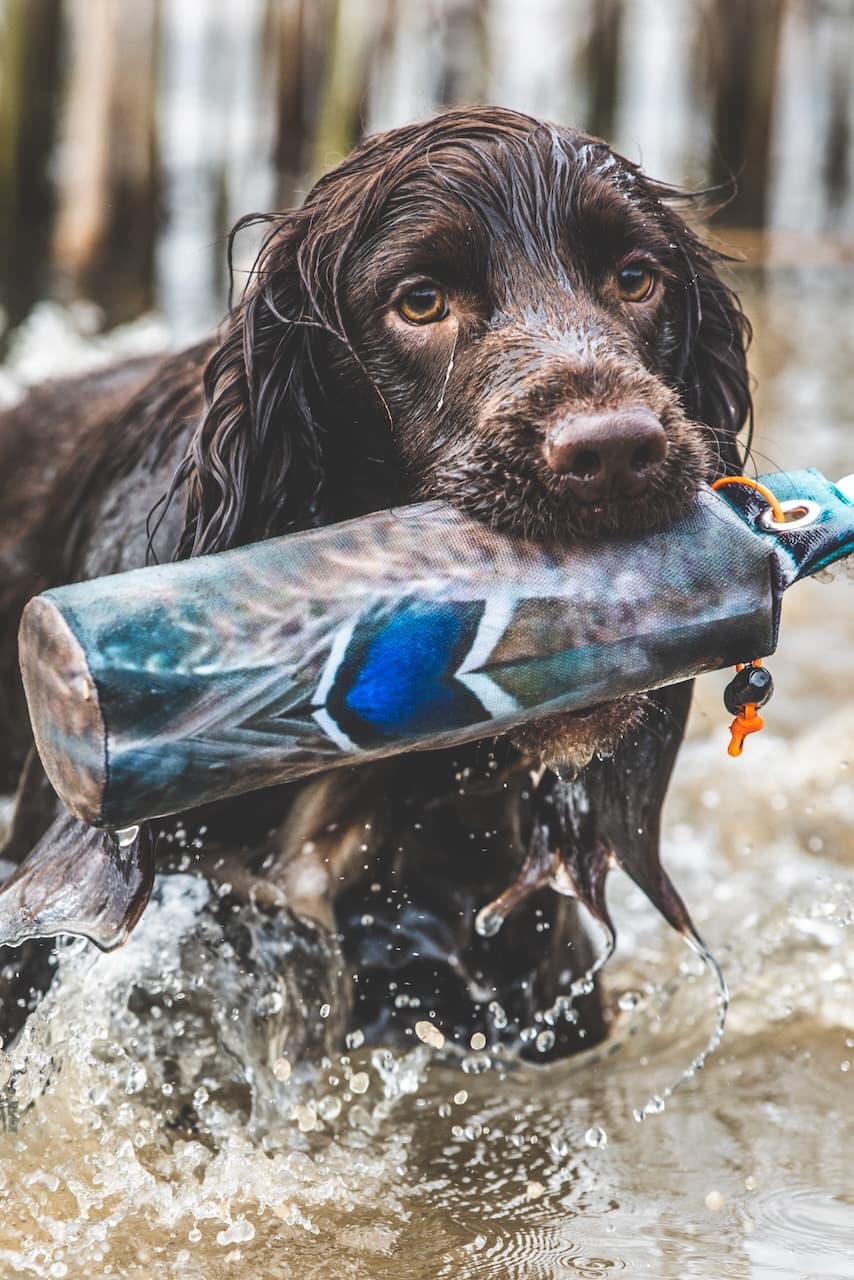
Small wins are not soft training; they are how confident, reliable behaviour is built.
Read articleYour first session should give you clarity, confidence and a practical plan to keep training at home.
Read articleThe best format depends on your dog, your goals and how much individual handling support you need.
Read articleEthical training is practical training: it builds trust, motivation and lasting reliability.
Read articleDifferent breeds need different handling pictures, even when the training principles stay the same.
Read articleEarly training should prioritise confidence, engagement, recall foundations and calm everyday habits.
Read articleLabels can distract from the real question: what does this dog and handler need next?
Read articleA reliable recall is trained in layers, not demanded in one big leap.
Read articleIndividual coaching helps handlers build the right foundations before habits become hard to change.
Read articleOne-to-one work gives Labrador handlers the timing, criteria and feedback that group settings often miss.
Read articleA second look at when individual support is worth prioritising over a busier class environment.
Read articleA spaniel can hunt with drive and still stay connected when the pattern is trained clearly.
Read articleGood puppy training creates curiosity, confidence and handler value before formal expectations arrive.
Read article
Remote coaching works when the problem can be broken down clearly and the handler can practise between calls.
Read articlePre-season training should test steadiness, fitness and teamwork without turning every session into pressure.
Read article